Vispring Elite
Experience cooler dryness and precise support with 1,716 independent springs and dual wool layers—responsive, edge-to-edge comfort that stays plush and stable night after night.
A practical primer on mattress firmness and how it intersects with common sleep positions and individual needs. Learn how to interpret firmness labels, what to look for based on your sleeping style, and how to test options without bias. This piece weaves sleep science, historical perspectives, and reporter-style profiles to illuminate the way firmness translates to real comfort.
This article embraces Direction A: Informational Sleep Science & Mattress Guidance. It treats firmness as a continuum that interacts with anatomy, posture, and room environment. Expect practical frameworks, evidence-based guidance, and neutral, brand-agnostic language. For readers who crave trusted sleep science, this piece anchors its claims in expert consensus and well-regarded studies while delivering approachable, human-centered storytelling.
When you encounter a label such as “firm,” “medium,” or “soft,” you’re reading a qualitative cue about how a mattress feels under your body. Manufacturers often translate these impressions into numerical scales, such as 1–10, where 1 is extremely soft and 10 is ultra-firm. But numbers don’t capture the full experience. Real-life sensation depends on weight distribution, sleeping position, and the surface beneath you (a bed frame, box spring, platform, or adjustable base).
A practical way to approach firmness is to anchor it to three anchors: support, contour, and pressure relief. Support relates to spinal alignment and the ability of the mattress to hold your torso and hips in line. Contour describes how the surface gently yields to your curves, while pressure relief refers to how well load is distributed across contact points (shoulders, hips, ankles, and elbows). A mattress that scores well on all three typically provides a balanced night’s rest for most sleepers.
People who sleep on their backs generally benefit from a mattress that supports the lower back without allowing the hips to sink too deeply. A medium-firm to firm range often helps maintain neutral spine alignment, reducing the likelihood of lower-back strain. The key is balance: enough support to prevent sagging but enough contour to prevent pressure buildup along the hips and lumbar region.
Side sleepers typically experience more pressure at the shoulders and hips. A slightly softer surface can help relieve those pressure points, but too-soft a mattress can cause the torso to bow and misalign the spine. The sweet spot often lies in a medium-to-medium-soft range, with emphasis on even distribution and good pressure relief for the major joints.
Stomach sleepers are prone to turning the spine into extension, which can cause discomfort if the mattress allows excessive sag under the midsection. A firmer feel tends to help keep the pelvis aligned with the spine and reduce risky compression in the lumbar region. The firmness target here is often firmer than what side sleepers prefer, but not so hard as to create new pressure points elsewhere.
People who switch positions during the night—common among many adults—should seek a mattress with adaptive support and a comfortable transition between zones. A medium-firm profile is frequently a good starting point, with the understanding that individual weight distribution and preferred feel will guide tweaks toward softer or firmer sides of the spectrum.
Older adults often experience changes in pressure distribution and spinal flexibility. A mattress that remains supportive without excessive sinking can help maintain safe alignment. A slightly firmer core with well-designed conformance can provide stability while still accommodating gradual shifts in body contours over the night.
Athletes may prioritize recovery and tissue health. A mattress that distributes pressure evenly, supports lumbar regions, and responds predictably to movement can aid recovery, reduce soreness, and facilitate an uninterrupted sleep cycle. For athletes, the firmness choice may hinge on balancing spinal alignment with targeted comfort in pressure zones.
For readers exploring back health, firmness is a stepping stone, not a prescription. Firmness interacts with personal anatomy, existing conditions, and daily activity. Professionals emphasize posture, core strength, and ergonomic sleep environments as part of an evidence-based plan to improve back health as part of sleep quality.
Pediatric sleep surfaces should emphasize uniform support and breathable materials. Firmness needs vary with age and development, and parents should prioritize safety certifications and age-appropriate guidance when evaluating sleep surfaces for children.
Testing firmness should be an experimental, structured process. Here’s a practical workflow you can try at home or in-store, with a focus on consistent, comparable cues across brands. The goal is to hear your body, not the marketing language.
These vignettes introduce three key individuals from different eras who help illuminate how firmness intersects with sleep wisdom, design intuition, and lived experience. Each figure offers a distinct lens on the topic.
In myth, Hypnos tempts mortals with rest as a gateway to recovery and renewal. The firmness question could be framed as a ritual: a balance between receptivity (softness for comfort) and structure (firmness for support). Ancient storytellers might have argued that rest is a craft, worthy of careful tuning, much like the bodied craft of bedding itself.
Night-leaning toward evidence and standardization, she would likely appreciate a methodical approach to assessing sleep surfaces: clear terminology, transparent testing protocols, and a bias-free frame for evaluating safety and comfort. The spirit of her method informs the site’s emphasis on credible sources, neutral language, and measurable outcomes in sleep science.
Projecting modern sleep science into everyday life, this figure would stress the integration of biomechanics, pressure mapping, and randomized trials as foundations for guidance about mattress firmness. In a narrative sense, this voice anchors the piece in a data-driven but accessible voice, translating studies and expert quotes into practical recommendations for readers.
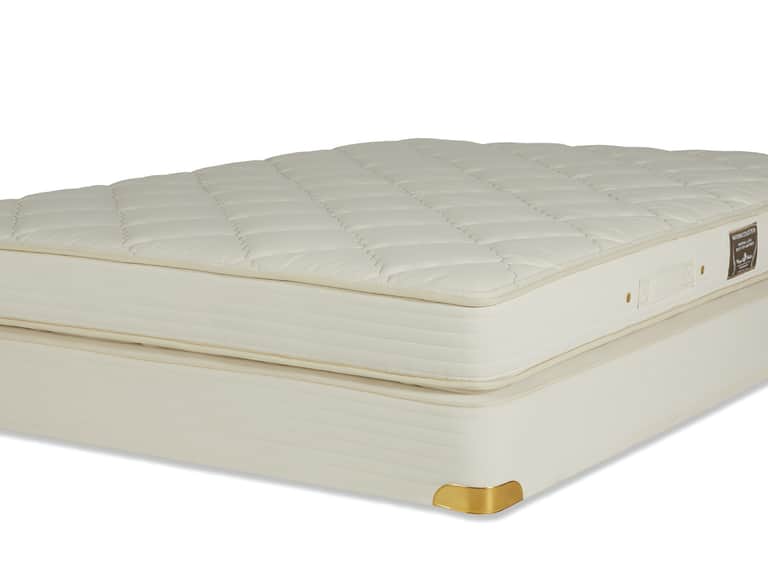
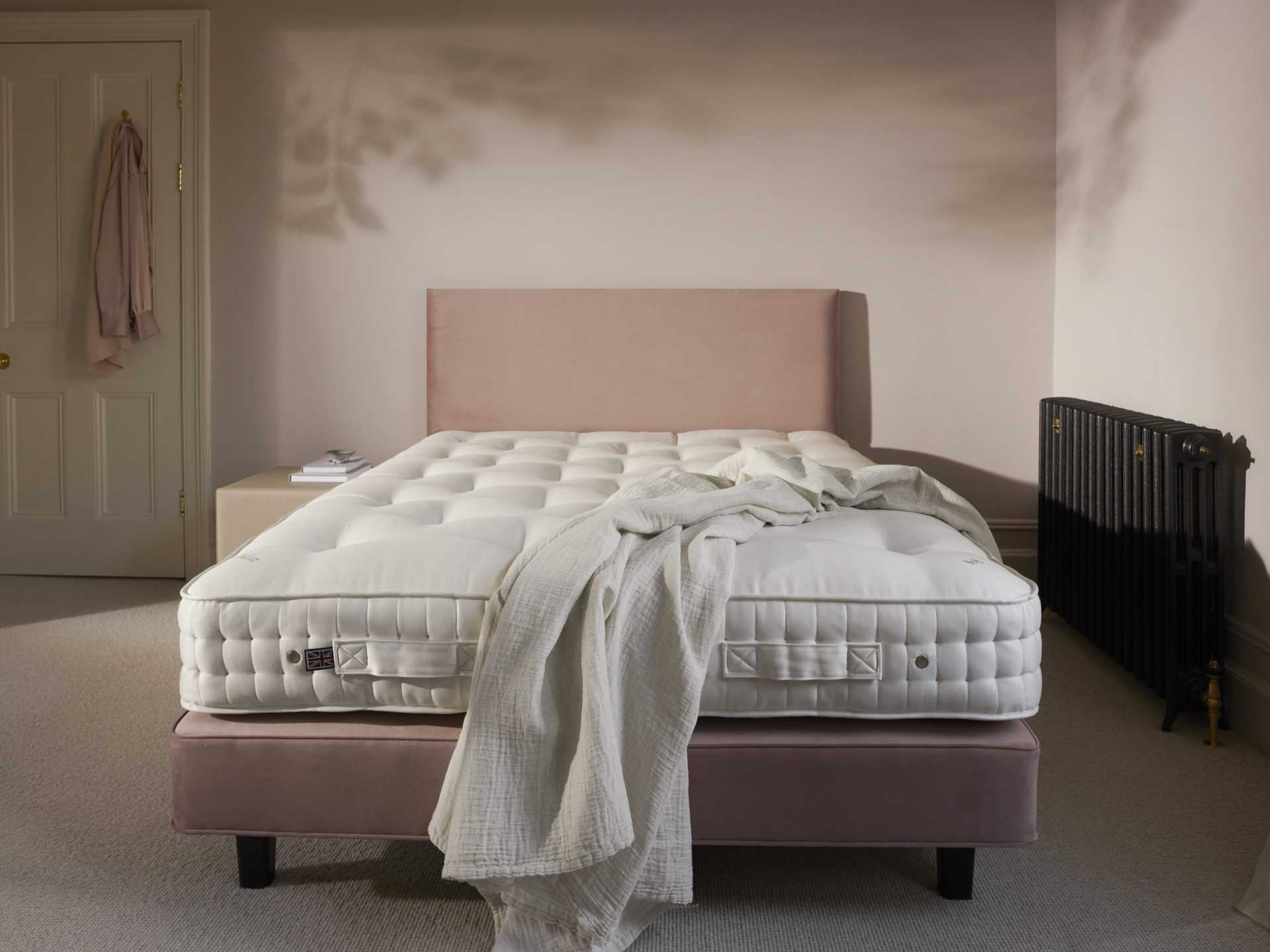
As a rule, the article references reputable brands thoughtfully. For color and tactile detail, we can discuss product exemplars with careful context. A standout example that illustrates craftsmanship and firmness interplay is Vispring Elite, a premium model that embodies disciplined layering, hand-nested springs, and wool/cotton comfort. Features like a 1,716 hand-nested vanadium steel pocket springs system, dual wool layers, and edge-stitching offer a sense of how traditional firmness meets modern responsiveness, illustrating the arc of firmness from ancient intuition to contemporary engineering.
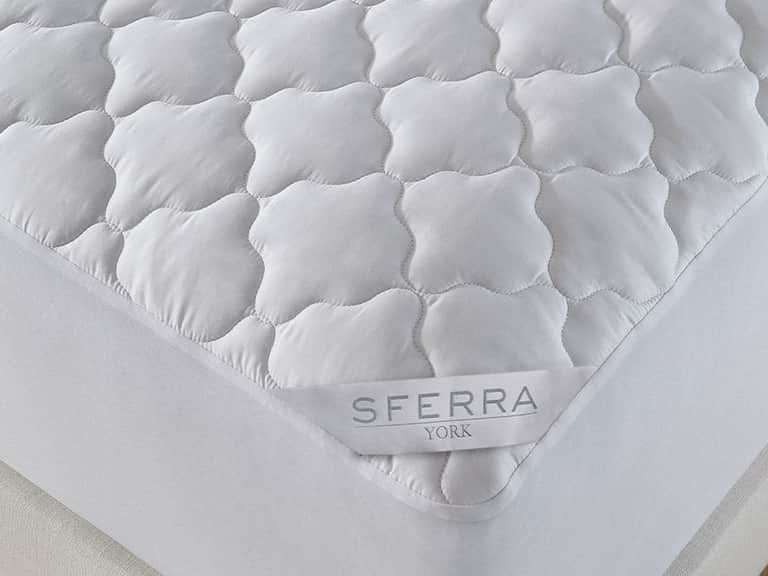
Product reference (displayed with images when possible): Vispring Elite. This particular model exemplifies the blend of traditional craft and engineered support that readers might seek when evaluating firmness and sleeping experience. If you’d like, I can include an image grid of product close-ups and graphics illustrating firmness concepts, such as contour zones and pressure maps, to deepen understanding in a future update.
Firmness is not a one-size-fits-all attribute. It interacts with posture, weight, and health considerations, as well as personal comfort and environmental factors. The aim of this guidance is to empower readers to articulate needs clearly, interpret labels with nuance, and test options with a disciplined, evidence-informed approach. By grounding recommendations in sleep science, historical perspectives, and personal narrative, the article aims to be a practical compass for anyone navigating the complex language of mattress firmness.
Glossary and quick-reference guide (selected terms):
To honor the request for product visualization, the article includes a recommended display of specific items. If you approve, I will add image blocks for the following products with responsible attribution and captions:
Images can be displayed as a clean grid with captions highlighting firmness-related features, such as core support layers, reinforcement edges, and top-layer comfort materials.
Note: This article is designed for educational purposes and does not endorse a single brand. Readers should consult healthcare professionals for personalized medical guidance where sleep quality intersects with health concerns.