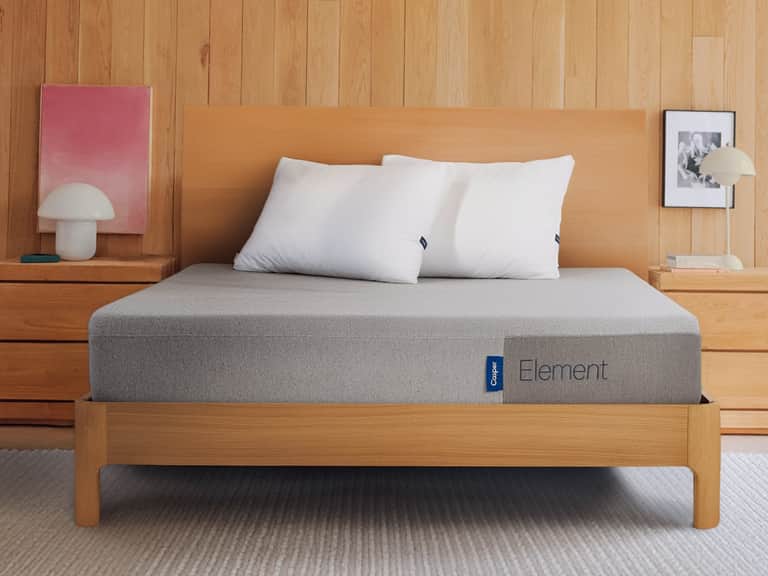
Foam mattresses are designed to provide targeted support and pressure relief through viscoelastic or polyurethane foams that contour to the body's curves. In these designs, progressive layers work together to distribute weight evenly, reduce motion transfer, and minimize pressure points for sleepers of varying weights and sleeping positions. Understanding foam density and layering helps compare firmness, resilience, and durability across models like the Original Mattress and Element Mattress.
The Original Mattress typically emphasizes a balanced feel with a multi-layer foam system that combines contouring comfort with supportive transition foams. Users can expect improved spinal alignment and reduced pressure on hips and shoulders, while a breathable cover and open-cell foams contribute to temperature regulation during sleep cycles and long-term comfort.
The Element Mattress focuses on targeted support zones and higher resilience foams designed to maintain shape under daily use. Its construction aims to deliver consistent support for the lumbar region and hips, while still offering contouring comfort for side sleepers. This balance makes it suitable for varying sleeping styles and body types over time.
Key features to consider when evaluating foam mattresses include foam density, motion isolation, temperature management, and edge support. Densities influence durability and support, while open-cell or gel-infused foams can enhance airflow. A well-designed foam mattress minimizes motion transfer, aiding couples and reducing disturbances during restless nights.
For practical uses, foam mattresses support restful sleep for back, side, and combination sleepers. They are compatible with a range of bedding accessories such as pillows and toppers that can adjust feel and height. Understanding the role of latex blends, memory foams, and transition foams helps clarify comfort preferences and long-term compatibility with bedding systems.
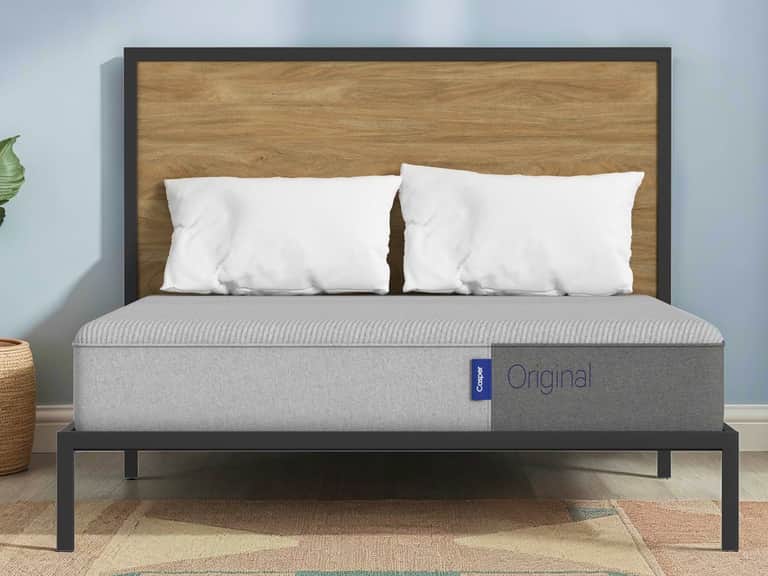 Mattresses